
You’ve spent years building your collection. You know your coins. You know their dates, mint marks, grades, and provenance. You’ve paid attention to every detail that determines their value. But have you paid attention to one thing that could determine whether you ever recover that value if the worst happens: your insurance coverage?
Most collectors assume their homeowner’s policy covers their collection. It doesn’t, at least not in any meaningful way. And the gaps aren’t fine print technicalities. They’re structural, and they go right to the core of how numismatic assets are valued.
The Dollar Limits Problem
A standard homeowner’s policy is built for the average household. It protects furniture, electronics, clothing, and the kinds of typical possessions most people own. Rare coins do not fit that profile. While expensive items like collectibles are technically covered under a standard homeowner’s policy, there are special limits of liability for certain valuable items, and the theft limit for a single piece is generally around $1,500. For a collection where a single key-date coin may be worth tens of thousands of dollars, a $1,500 ceiling isn’t coverage.
Standard homeowner’s policies can limit coverage for items such as jewelry, silverware, and collectibles to amounts well below their true value. For collections where those limits fall short, insurers recommend purchasing a special personal property floater or endorsement. That’s sound general advice. But a floater attached to a homeowner’s policy is still not the same thing as purpose-built specie coverage. The difference matters when you actually need to file a claim.
The Valuation Problem
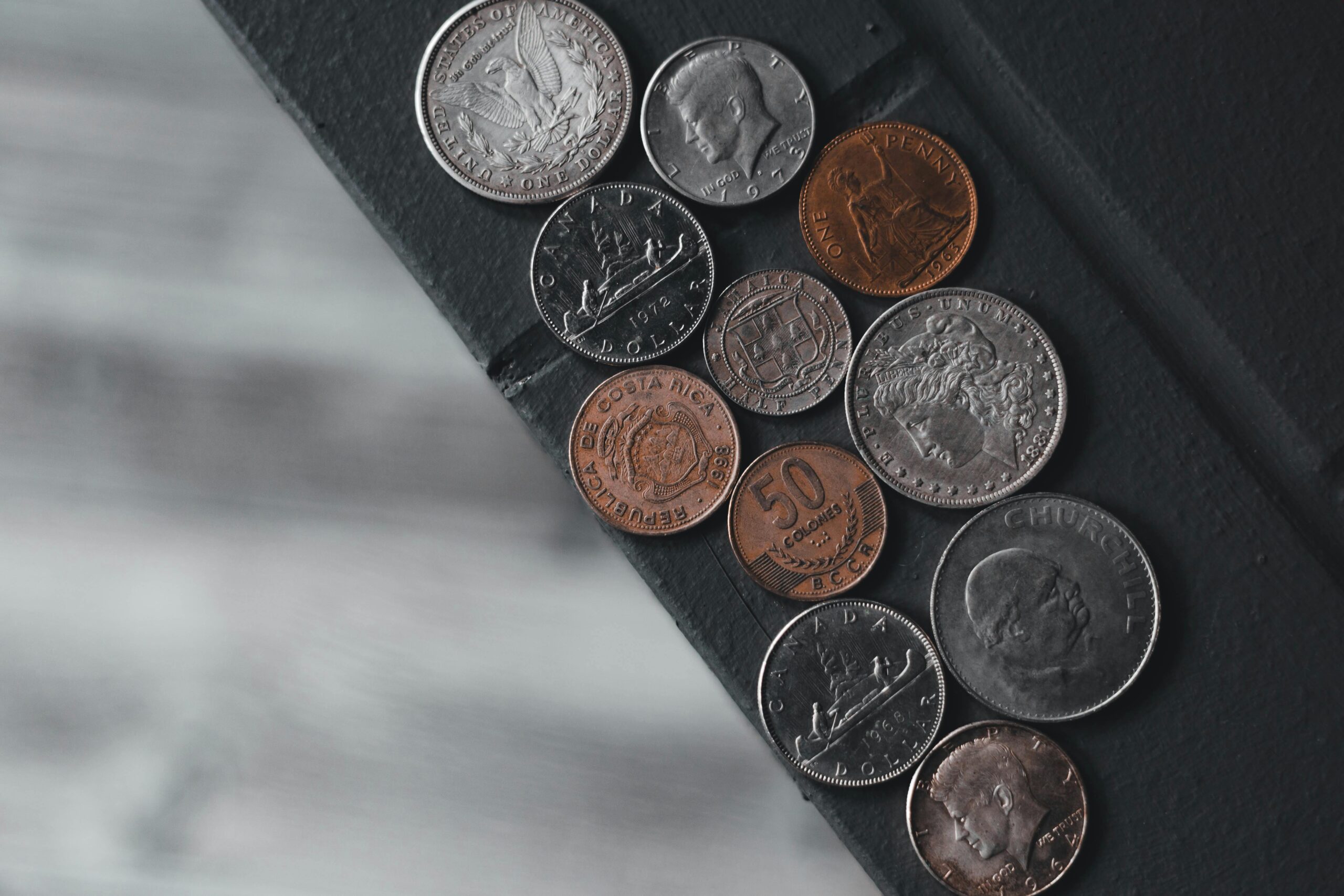
Even when the dollar limits aren’t an issue, the way a standard policy values property creates a serious problem for numismatic assets. Most homeowner’s policies pay claims based on actual cash value, which the NAIC defines as replacement cost minus depreciation. That framework was designed for items that lose value over time, like appliances, electronics, and furniture. It was not designed for rare coins, which appreciate over time and whose value is determined by factors no depreciation formula can account for — rarity, grade, provenance, and current collector demand.
A 1916-D Mercury dime in Fine condition isn’t “depreciated.” It’s more valuable today than it was twenty years ago. But an adjuster applying standard ACV methodology has no mechanism to reflect that reality in a claims payment.
The deeper issue is who’s doing the adjusting. When adjusters don’t understand coin grading, rarity factors, or current market values, the claims process becomes complicated. Collectors may spend months providing documentation that standard adjusters aren’t qualified to evaluate. Standard policies don’t account for the numismatic premium — the difference between a coin’s metal content and its actual collector value. To a general adjuster, a coin is a coin.
The “Mysterious Disappearance” Problem
There’s another coverage gap that coin collectors rarely think about until it’s too late: mysterious disappearance. Coins go missing. They’re small, portable, and easy to lose track of at a show, during a move, or at a grading service. Standard homeowner’s policies often exclude coverage for mysterious disappearance, leaving collectors without recourse when a coin can’t be accounted for. A dedicated specie policy typically covers this. Your homeowner’s policy almost certainly doesn’t.
What Specialized Coverage Actually Looks Like
The alternative to a homeowner’s policy for your coin collection is a standalone specie or collectibles policy written on what’s called an “all-risk” or open-perils basis. Here’s what that means in practice:
Agreed value.
Rather than letting a general adjuster determine what your coins were worth, an agreed value policy locks in the insured value upfront — based on a professional appraisal. If you suffer a total loss, that’s what you’re paid. No depreciation. No debate.
Broader perils.
Specialized policies cover theft, fire, flood, accidental damage, and mysterious disappearance — the full spectrum of risks a collection actually faces. Many homeowner’s policies offer limited or no coverage for collectibles like coins, while specialized collectibles insurance provides comprehensive coverage that extends even to transit — protecting coins when they move between covered locations.
Transit and show coverage.
Your coins don’t sit still. They go out for grading, travel to shows, move between storage locations. Specie coverage follows the collection wherever it goes.
Claims handled by people who understand numismatics.
This may be the most underappreciated benefit. When a loss occurs, you want to be working with insurers who understand the difference between a common-date Morgan dollar and a rarity — not explaining it from scratch to a general adjuster who’s never seen a coin grading report.
One More Reason to Keep Your Collections Separate
There’s a practical reason beyond coverage quality to keep your collection off your homeowner’s policy: protecting that policy itself. Insuring your coins separately can protect your homeowners’ insurance from rate increases. A significant theft claim on a homeowner’s policy could result in premium hikes or non-renewal, while a separate specie policy contains that exposure.
Your coin collection deserves coverage built around what it actually is — not a policy designed for the average household that happens to mention collectibles in a sidebar. If you’re not sure whether your current coverage measures up, that’s worth finding out before something goes wrong. Meslee has decades of experience insuring coins and other high-value items. Reach out to discuss your specific situation.